Genre: Jazz, Classical
Period: 1910-1977
Region: Ontario, Quebec, Prince Edward Island
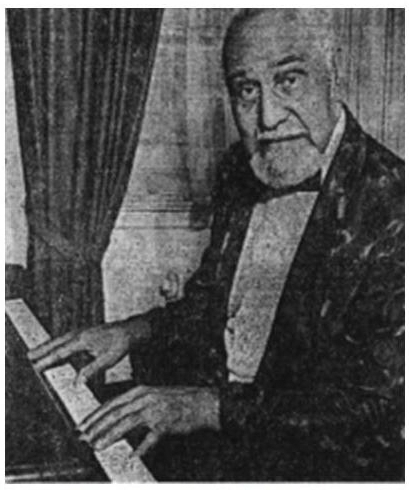
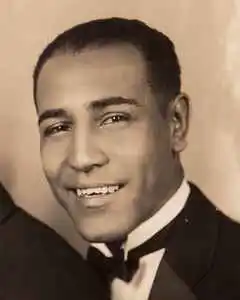
Pianist, composer, and teacher Lou Hooper was a prominent performer in Harlem and Detroit during the 1920s as well as an influential figure in Montreal’s early jazz scene.
Born in North Buxton, Ontario, Louis Stanley Hooper (known professionally as Lou Hooper) moved as a child to Ypsilanti, Michigan, where he took piano lessons and sang in the local choir. After settling in Detroit as a teenager, he performed with a variety of dance bands while working towards a Bachelor of Music degree at the Detroit Conservatory. In addition to studying classical performance and composition, Hooper presented a thesis paper entitled The Afro-American Folk-Song: It’s Origin and Evolution that challenged negative Eurocentric notions around the value and originality of African American music. Hooper’s formal musical studies were interrupted by service in the American army during the First World War, but he returned to graduate in 1920. Though he aspired to become a concert pianist, racist barriers imposed by the classical music world prevented Hooper from securing employment in this field. He continued to perform and compose classical music throughout his career, but jazz soon became his primary musical outlet.
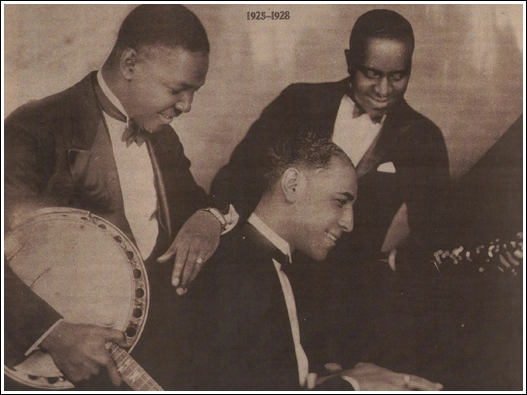
In 1921, Hooper relocated to Harlem, New York, where he taught, recorded, and performed extensively with notable blues, jazz, and classical stars of the day, including renowned singer Paul Robeson. Returning to Detroit in 1927, Hooper toured with Lew Leslie’s revue Blackbirds until 1929.
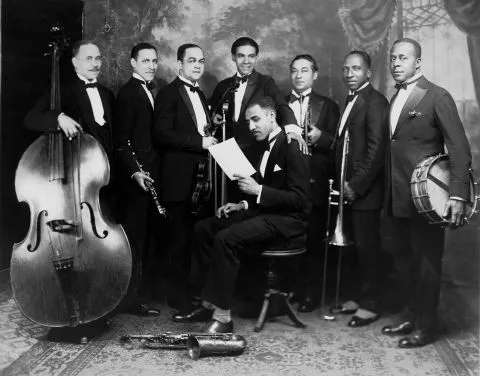
In 1933, Hooper moved to Montreal where he became a member of Myron Sutton’s Canadian Ambassadors, one of the first organized Black jazz bands in Canada. He also directed The Hooper Southern Singers of Canada and gave piano lessons to a young Oscar Peterson.
Hooper served in the Second World War as leader of musical entertainment units, including the Canadian Artillery Holding Unit Concert Party and The Bandoliers, performing widely in the United Kingdom, Italy, and northern Europe.
After completing his service, Hooper continue to work as a performer, music educator, and composer in and around Montreal. In the 1960s he was rediscovered by jazz collectors and enthusiasts, and his contributions to the early days of jazz were recognized and celebrated. During the 1970s, concerts showcasing his oratorio Ruth (composed 1920) and music for the ballet The Congo (1947) were presented in Montreal and Charlottetown. Hooper was also featured on CBC television programmes and in 1975, he was appointed professor of music at the University of Prince Edward Island, Charlottetown.
Please note that the discography shown may have missing or incomplete information, and the CBMA is working to compile a more comprehensive list.
The CBMA recognizes the gaps in our collection. As the organization grows, so will the amount of information we are able to provide. If you have any recommendations on how we can acquire this specific piece of information, we kindly encourage you to reach out to us.
The Canada Black Music Archives is a non-profit digital archive established as a division of Word Media Group Inc.
contact us
124 - 639 Dupont St. Toronto, ON M6G 1Z4
sponsors and supporters
We are grateful for the support of the TD Bank Group, Province of Ontario, Government of Canada as well as our donors, members and volunteers.